
Why “I’ll Do It Later” Creates More Chaos

We’ve all said it before.
“I’ll put that away later.”
“I’ll clean it tomorrow.”
“I’ll deal with this on the weekend.”
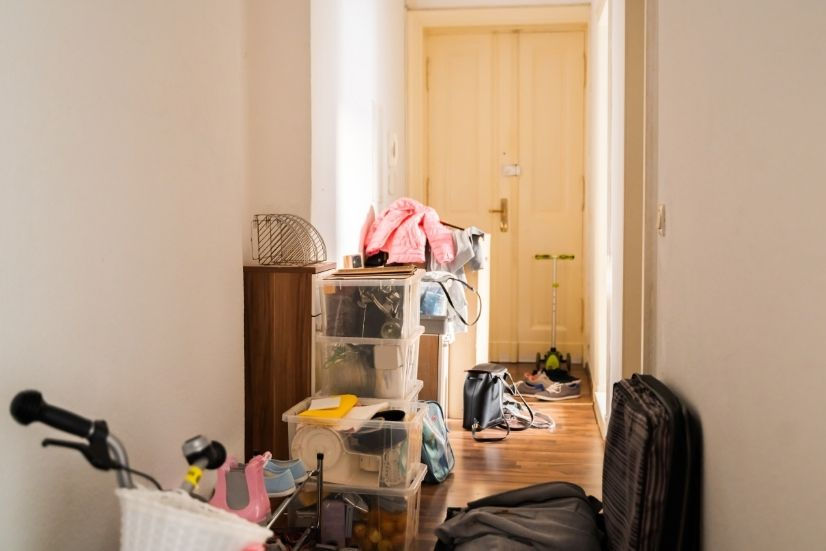
At the moment, it feels harmless. Life gets busy, energy runs low, and small messes don’t seem urgent. But over time, those delayed tasks begin to pile up—and before you know it, your home feels overwhelming, stressful, and completely out of control.
The truth is, procrastination doesn’t just delay clutter. It multiplies it.
If your home constantly feels chaotic despite your best intentions, the habit of “I’ll do it later” may be the hidden reason why.
Small Delays Turn Into Big Messes
Clutter rarely appears overnight. It builds slowly through small daily decisions.
A jacket tossed over a chair.Mail left unopened on the counter.Laundry waiting “just one more day.”Amazon boxes stacked in the hallway.
Individually, these things don’t seem like a problem. But together, they create visual noise, mental stress, and physical clutter that becomes harder to manage the longer it sits.
The longer we delay simple tasks, the more energy they require later.
Why We Put Things Off
Most people don’t procrastinate because they’re lazy. Usually, there’s something deeper happening.
1. Overwhelm
When your home already feels messy, even small tasks can feel exhausting. Your brain struggles to decide where to start, so it chooses avoidance instead.
2. Decision Fatigue
Decluttering requires constant decision-making:
Keep or donate?
Store or toss?
Clean now or later?
After a long day, those choices feel mentally draining.
3. Perfectionism
Many people think organizing means doing everything perfectly. If they can’t clean the whole room, they do nothing at all.
But progress matters more than perfection.
4. Lack of Systems
Without simple home systems, clutter returns quickly. When everything lacks a “home,” putting things away feels like extra work.
The Hidden Cost of “Later”
Delaying small tasks doesn’t save time—it creates more work.
Here’s what happens when clutter sits too long:
Small messes become overwhelming projects
Stress and anxiety increase
Cleaning takes longer
Important items get lost
Your home feels less relaxing
You avoid inviting people over
Daily routines become harder
Clutter affects more than your space. It impacts your mood, focus, energy, and peace of mind.
How to Break the Cycle
The good news? You don’t need a perfect home to create calm. Small habits make a huge difference.
Start With the 2-Minute Rule
If something takes less than two minutes, do it immediately.
Examples:
Hang up your coat
Put dishes in the dishwasher
Throw away junk mail
Return items to their proper place
These tiny actions prevent clutter from snowballing.
Focus on “Closing the Loop”
Many clutter piles exist because tasks remain unfinished.
Examples:
Laundry washed but not folded
Packages unopened
Papers waiting to be sorted
Items waiting to be returned
Instead of starting more tasks, focus on finishing the ones already open.
Closing small loops creates instant relief and momentum.
Create Easy Systems
Organization only works when it’s simple enough to maintain.
Try creating:
A donation bin for unwanted items
A basket for incoming mail
Daily reset routines
Clear storage zones
Easy-to-reach containers
The easier it is to put things away, the more likely you’ll actually do it.
Progress Beats Perfection
One of the biggest mistakes people make is waiting for motivation or a “perfect time” to get organized.
That moment rarely comes.
Instead of trying to overhaul your entire home in one day, focus on small wins:
One drawer
One shelf
Ten minutes at a time
Consistency creates lasting change.
A Calm Home Starts With Small Decisions
Every time you choose to handle something now instead of later, you reduce future stress.
A cleaner, calmer home isn’t built through massive cleaning marathons. It’s created through small daily habits that prevent chaos from building in the first place.
The next time you catch yourself saying, “I’ll do it later,” pause and ask:
What would future me thank me for doing right now?
Sometimes, the smallest action creates the biggest sense of peace.
Final Thoughts
Clutter often begins with delayed decisions. But the good news is that chaos can be reversed the same way it started—through small consistent actions.
You don’t need perfection. You don’t need endless storage bins. You just need a system that helps you take action before clutter takes over.
And remember: every small step toward organization is a step toward a calmer home and a clearer mind.


Comments